
 En
En
 عربى
عربى
Content
Why Polyester Has Become the Standard Choice for Tablecloths
Polyester tablecloths have become a go-to option for restaurants, event venues, banquet halls, and households alike, largely because the material offers a practical combination of durability, affordability, and low maintenance that natural fiber alternatives often struggle to match. Unlike cotton or linen, which wrinkle easily and require more careful laundering, polyester resists creasing, holds its shape after washing, and dries quickly, making it especially useful for businesses that need to turn over table linens quickly between events or service periods.
Beyond convenience, polyester also offers strong color retention and resistance to fading, which matters for venues that want tablecloths to maintain a consistent, professional appearance through repeated use and washing cycles. Understanding the different types, weights, and finishes available helps buyers select a tablecloth that matches both the practical demands of their setting and the aesthetic they are trying to achieve.
Key Benefits of Polyester Over Natural Fiber Tablecloths
While cotton and linen tablecloths carry a certain traditional appeal, polyester offers practical advantages that make it a preferred choice in many commercial and high-use settings.
| Property | Polyester | Cotton or Linen |
| Wrinkle Resistance | High, holds shape after washing | Low, typically requires ironing or steaming |
| Stain Resistance | Good, especially with treated finishes | Moderate, absorbs stains more readily |
| Drying Time | Fast, resists water absorption | Slower, absorbs and retains more moisture |
| Cost | Generally more affordable | Typically higher, especially for linen |
| Color Vibrancy | Strong retention, resists fading over time | Can fade more quickly with repeated washing |
Why Wrinkle Resistance Matters for High-Turnover Settings
For restaurants and event venues that need to reset tables quickly between seatings or events, wrinkle resistance is not just a convenience but a genuine operational advantage. Polyester tablecloths can be pulled straight from a dryer or storage container and applied to a table with minimal smoothing needed, whereas cotton and linen often require ironing or steaming to achieve a presentable appearance, adding time and labor costs that add up quickly in high-volume settings.
Understanding Fabric Weight and Weave Options
Not all polyester tablecloths are constructed the same way, and fabric weight along with weave style significantly affects how the tablecloth looks, drapes, and holds up over repeated use.
Light, Medium, and Heavyweight Options
Lightweight polyester tablecloths work well for casual settings or disposable-style events where the fabric does not need to withstand heavy repeated use, though they can appear thin and may show wrinkles more easily despite polyester's general wrinkle resistance. Medium-weight polyester strikes a balance suitable for most restaurant and event applications, offering enough body to drape well over tables while remaining practical for frequent laundering. Heavyweight polyester tablecloths, often used in upscale banquet and wedding settings, provide a more substantial, luxurious drape and tend to hold up better against repeated washing cycles over years of use.
Poplin, Satin, and Specialty Weaves
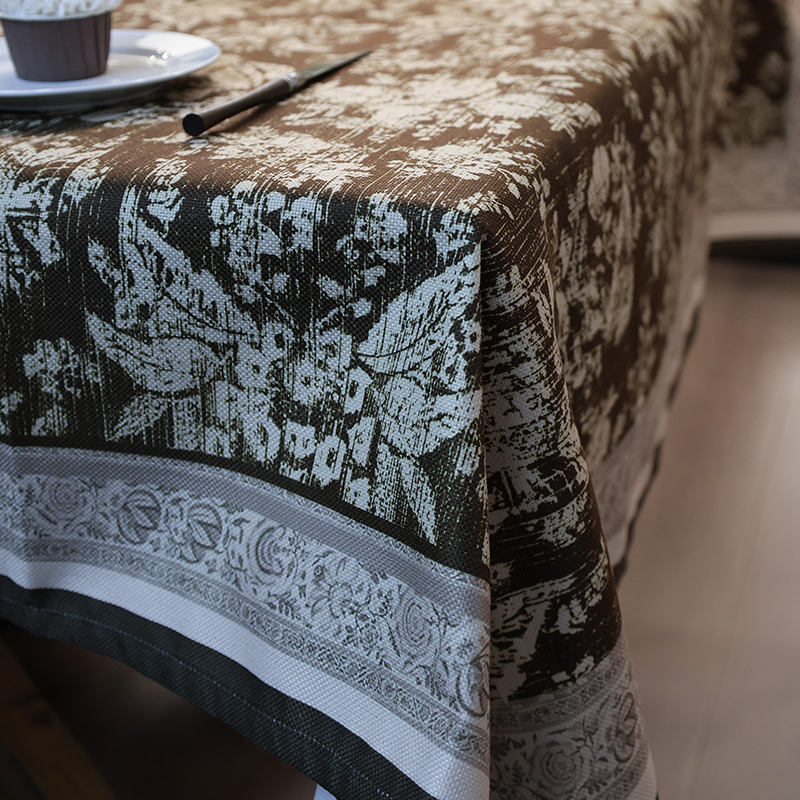
Poplin weave polyester offers a matte, classic finish suitable for most general dining and event settings, while satin weave polyester provides a subtle sheen that many event planners favor for weddings and formal occasions. Specialty weaves, including textured or jacquard-style polyester, add visual interest for venues wanting a more distinctive table presentation without moving to more expensive natural fiber alternatives.
Choosing the Right Size and Fit
Proper sizing affects both the appearance and practicality of a tablecloth, and this is an area where buyers commonly make mistakes. A tablecloth that is too small looks unfinished and may not adequately protect the table surface, while one that is excessively large can create tripping hazards or interfere with seating, particularly in tighter banquet arrangements.
- Measure table length, width, and height before selecting a tablecloth size to ensure proper drop on all sides
- A standard drop of 6 to 8 inches works well for casual dining, while a floor-length drop suits formal events
- Round tables require round or square tablecloths sized specifically to that shape rather than rectangular alternatives
- Banquet tables often need extra length to accommodate seams where multiple tables are pushed together
Caring for Polyester Tablecloths to Extend Their Lifespan
While polyester is generally low maintenance, proper care still plays a role in how long tablecloths retain their color and structural integrity. Washing in cool to warm water rather than hot water helps prevent shrinkage and preserves the fabric's finish over repeated cycles. Using a mild detergent without bleach, unless the tablecloth is specifically labeled bleach-safe, helps maintain color vibrancy, since harsh chemicals can dull polyester's characteristic sheen over time.
Tumble drying on a low heat setting, or air drying when possible, further helps preserve the fabric and reduces the risk of heat-related shrinkage or damage. For stubborn stains, treating the affected area promptly rather than allowing it to set through a full wash and dry cycle significantly improves the chances of full stain removal, since heat from drying can permanently set certain stains into the fabric fibers. Storing tablecloths folded neatly in a dry location, away from direct sunlight, also helps prevent premature fading and keeps linens ready for immediate use when needed.
 Previous



