
 En
En
 عربى
عربى
Content
Ask a sourcing manager what changed in decorated apparel over the past 18 months and you will hear a consistent answer: order patterns are fragmenting. Instead of one large decorated-garment order per season, brands are placing smaller, more frequent orders across a wider mix of techniques. The market context supports this. According to industry research, the decorated apparel market was valued at $28.9 billion in 2023 and is projected to grow from $41.4 billion in 2026 to $68.2 billion by 2030, a compound annual growth rate of 13.0 percent. Growth at that pace is not just a number; it reflects a structural change in how decorated products are designed, ordered, and produced.
What the Market Data Says About Today's Demand
The 2026 industry reports point to selective growth rather than across-the-board expansion. DTF and DTG printing continue to absorb short-run work, screen printing remains the workhorse for large quantities, and embroidery is holding a stable, premium position. The table below summarizes the demand signals reported in mid-2026 trade surveys.
| Decoration method | Demand trend | Main driver |
|---|---|---|
| DTF / DTG printing | Strong growth | Low setup cost, full-color output, on-demand economics |
| Embroidery | Steady premium demand | Durability, texture, and perceived value |
| Screen printing | Mature and resilient | Lowest unit cost for large runs |
| Hybrid set-ups | Rapid adoption | One supplier serves short-run and long-run orders |
For buyers, the practical takeaway is that decoration decisions are no longer a straight choice between printing and embroidery. A single product range may combine DTG on a basic T-shirt, screen printing on a bulk hoodie, and embroidery on a premium jacket. Suppliers able to handle that mix without shifting quality responsibility are better positioned than specialists in only one technique.
Why Production Floors Are Turning Hybrid
Direct-to-film printing is the technique that has gained the most ground in 2026. Suppliers have refined films, powders, and color profiles to the point where DTF transfers are no longer seen as a temporary substitute for screen printing. For orders under 200 pieces, DTF is often the fastest and most economical route. Meanwhile, screen printing has not lost its role; it simply has moved upward in order size, which is exactly where it remains unbeatable on unit cost.
Hybrid production is also changing minimum order quantities. Two years ago, a custom embroidered program of fifty pieces was considered a small run. Today, multi-head machines with automated digitizing make such orders routine. The consequence is that brands can test a design in the market, measure sell-through, and reorder in smaller cycles, reducing inventory risk. This is the quiet operational shift behind much of the industry's growth.
Embroidery Holds the Premium Position
Despite the attention paid to digital printing, embroidery continues to set the standard for decorative durability and perceived value. Printing lays ink or film on the surface of the fabric; embroidery passes thread through it. That structural difference matters for corporate uniforms, caps, denim, and outerwear, which face repeated washing and rough treatment. Buyers who order embroidered decoration are usually the same buyers who order premium product lines and need the finish to survive the life of the garment.
Embroidery is also evolving rather than standing still. The future development trend of embroidery clothing includes finer stitch techniques, faster digitizing, and better thread color matching, which makes embroidered decoration feasible on lighter fabrics than was practical a few years ago. In our experience at Pan, running an in-house embroidery factory means we control stitch density, thread tension, and color consistency directly. Buyers sourcing embroidered apparel should ask exactly these three questions: how a design behaves on their chosen fabric, how it withstands washing, and how the supplier maintains color across production batches.
Personalization Has Become the Default
Personalization has moved from a seasonal extra to a year-round requirement in decorated apparel. Monogrammed napkins, branded caps, name embroidery on team wear, and custom patches are no longer concentrated in the fourth quarter. E-commerce and print-on-demand have trained end customers to expect individually decorated products at any time of year, and B2B buyers now pass that expectation to their suppliers.
Custom embroidered patches are a strong example of this shift. Patches let brands decorate finished garments without committing to decorated fabric at the weaving stage. A jacket, cap, or tote bag can carry a logo patch applied after production, which simplifies inventory because the same blank garment can serve multiple decoration programs. That flexibility is why patches have moved beyond scout badges and military insignia into fashion and corporate workwear.
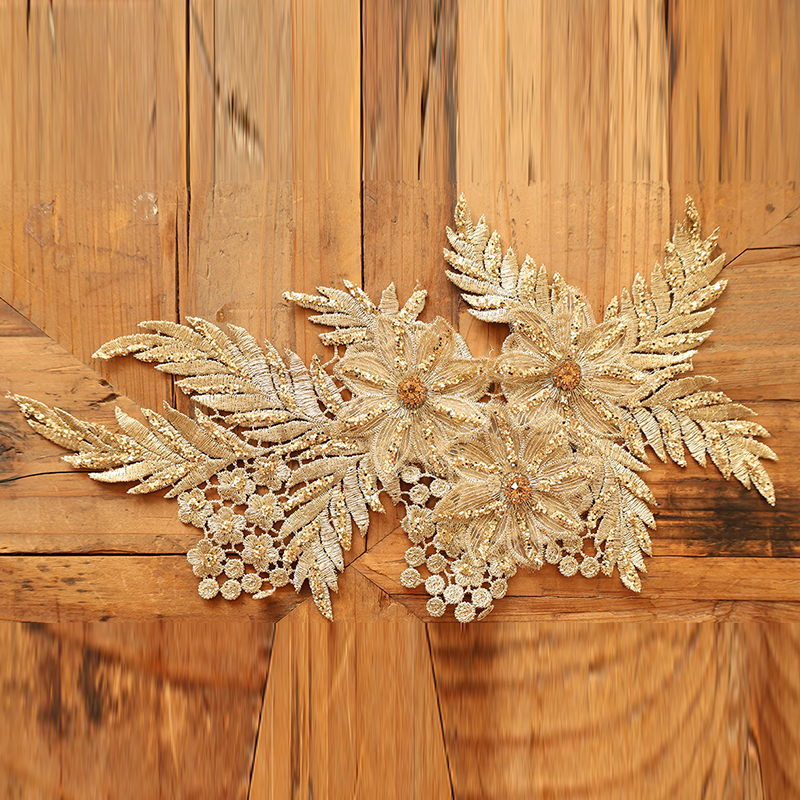 Custom Embroidered Patches Manufacturers, Factory - Pan International Trade (HanPan International Trade (Hangzhou) Co., Ltd is China Embroidered Patches Manufacturers and Custom Embroidered Patches Factory, Embroidere...View Product →
Accessories Are Joining the Decorated Mix
The decorated apparel category now includes far more than T-shirts and hoodies. Industry reporting in 2026 puts headwear and bags among the fastest-growing decorated product segments. Caps are a natural carrier for embroidery because their structured front panels hold a logo cleanly. Embroidered caps have shifted from a promotional giveaway item to a retail product with genuine brand value. Buyers ordering caps for company programs are increasingly asking for the same quality of stitch, backing, and placement that they would expect on a garment.
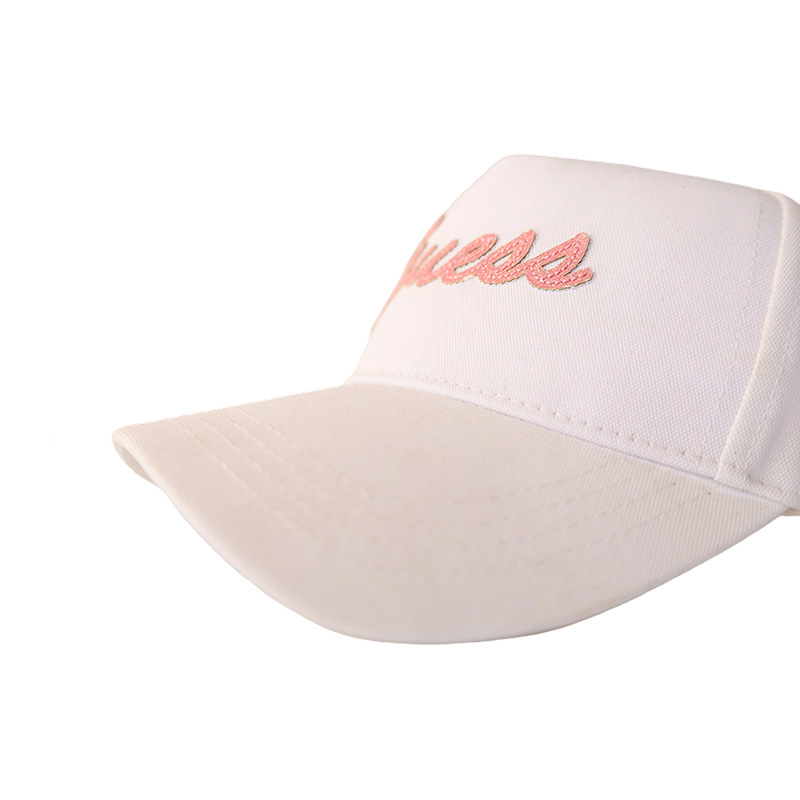 Custom Embroidered Caps Manufacturers, Factory - Pan International Trade (HangzhPan International Trade (Hangzhou) Co., Ltd is China Embroidered Caps Manufacturers and Custom Embroidered Caps Factory, Embroidered caps...View Product →
Bags are following a similar path. Tote bags have become a standard item in corporate gifting, event merchandise, and retail checkout displays. The decorating surface is large, the product cost is low, and the outcome is a highly visible walking advertisement. Embroidered tote bags in particular have gained ground because embroidery does not fade or peel the way some printed inks can on canvas and cotton bags. For suppliers, the rise of bags and accessories means the product mix is widening. The supplier that handles a napkin, a cap, a tote bag, and a jacket to the same standard is the supplier a buyer can build a program around.
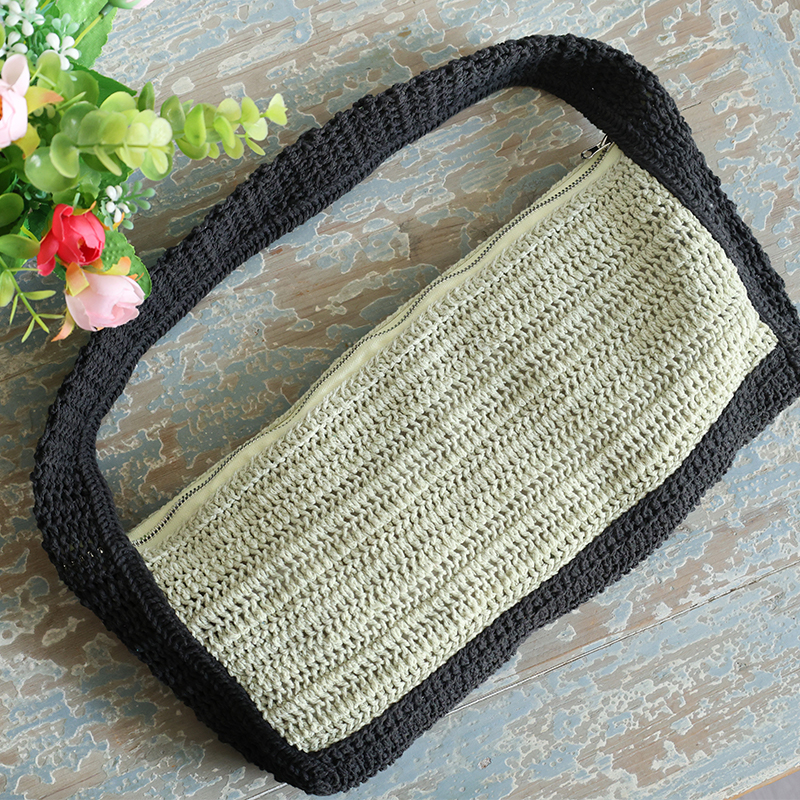 Embroidered Women's Tote Bags Manufacturers, Suppliers, FactoryPan is China Custom Embroidered Women's Bags Manufacturers and Embroidered Tote Bags Suppliers, Factory offer Wholesale Embroidered Women...View Product →
What Buyers Should Look for in a Decorated Apparel Supplier
The final piece of today's industry picture is supplier selection. As order patterns fragment, the number of suppliers a buyer manages tends to shrink. Rather than going to a digital print specialist for T-shirts, a screen print shop for hoodies, and an embroidery house for caps, many buyers now consolidate with one supplier that can coordinate the whole decor range.
What separates a reliable partner in this environment is service capability, not the number of machines on the floor. The four questions that matter most are: Can the supplier sample quickly? Can it maintain consistent color and stitch quality from sample to production? Can it offer in-house embroidery rather than subcontracting? And can it advise on fabric selection before decoration begins? A supplier with an in-house embroidery factory and integrated fabric sourcing, like what we do at Pan, can answer all four questions in a single conversation. The decorated apparel industry will stay busy through 2026 and beyond, but the brands that benefit most will be those that choose partners who can handle the full mix, from fabric to finished decorated product.
 Previous



