
 En
En
 عربى
عربى
Content
Why Napkin Choice Matters for Restaurants
Cloth napkins do more than wipe fingers and mouths. They shape a guest's first impression, reinforce a restaurant's brand, and influence how comfortable diners feel at the table. A stiff, thin, or oddly colored napkin can make even a well-plated dish feel less special, while a soft, well-folded, properly sized napkin quietly signals attention to detail. For restaurant owners and managers, selecting the right napkin type is not a minor housekeeping decision. It affects laundering costs, staff workload, guest satisfaction, and even how long the linens last before they need replacing.
Choosing napkins also means balancing practicality with presentation. A fine-dining establishment has very different needs than a busy diner or a barbecue joint. Understanding fabric types, weights, sizes, and care requirements helps restaurant operators make a choice that fits their concept, budget, and daily volume of covers.
Cotton vs Linen vs Polyester Cloth Napkins
The three most common fabrics used for restaurant cloth napkins are cotton, linen, and polyester (or polyester-cotton blends). Each has distinct strengths that make it better suited to certain dining environments.
Cotton Napkins
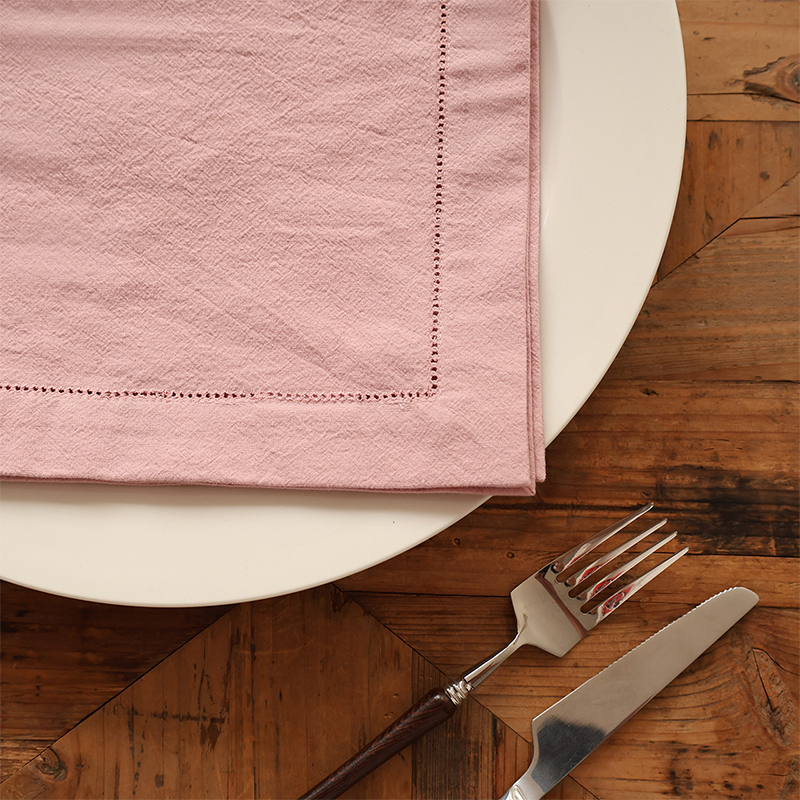
Cotton napkins are soft, absorbent, and comfortable against the skin, which makes them a popular choice for casual and mid-range restaurants. They hold color well, are easy to print or embroider with a logo, and tend to be less expensive than linen. The main drawback is that cotton wrinkles easily and can shrink slightly after repeated washing, so it requires more frequent pressing to maintain a crisp look.
Linen Napkins
Linen is the traditional choice for fine dining. It has a natural sheen, drapes elegantly, and develops a slightly textured, high-end look that many upscale restaurants want. Linen is highly absorbent and durable when cared for properly, but it is also the most expensive option and requires professional laundering to avoid excessive wrinkling and fiber breakdown.
Polyester and Poly-Cotton Blends
Polyester napkins resist wrinkling, dry quickly, and hold up to heavy commercial washing better than pure cotton or linen. They are the most budget-friendly and durable option, making them ideal for high-volume restaurants, banquet halls, and buffet-style venues. The tradeoff is a slightly less luxurious feel and reduced breathability compared to natural fibers.
Choosing Napkins by Restaurant Type
Matching napkin fabric and style to your restaurant's format helps control costs while still meeting guest expectations. The table below summarizes common pairings.
| Restaurant Type | Recommended Fabric | Why It Works |
| Fine Dining | Linen or Linen-Blend | Elegant drape, upscale texture |
| Casual/Family Dining | 100% Cotton | Soft, absorbent, cost-effective |
| Banquets/Buffets | Polyester | Wrinkle-resistant, durable for high volume |
| Cafes/Bistros | Poly-Cotton Blend | Balance of comfort and easy care |
Weight, Weave, and Durability Considerations
Napkin weight, usually measured in grams per square meter (GSM), directly affects how a napkin looks, feels, and holds up over time. Lightweight napkins (under 150 GSM) are inexpensive but tend to look thin and wear out quickly with frequent laundering. Mid-weight napkins (150–200 GSM) offer a good balance of durability and softness, suitable for most full-service restaurants. Heavyweight napkins (200 GSM and above) feel substantial and drape better, which is why they are favored in fine dining, but they also take longer to dry and cost more to launder.
Weave type matters as well. A tighter weave resists fraying and pilling, extending the napkin's usable life. Satin-weave or damask napkins add visual texture for upscale settings, while plain-weave napkins are more practical for everyday use because they launder easily and show less wear.
Color, Size, and Folding Considerations
Beyond fabric, the color and size of a napkin influence both aesthetics and practicality. Dark colors such as black, burgundy, or navy hide stains well and suit dinner service, while white and pastel tones project cleanliness and are common for lunch or brunch settings. Restaurants with a strong brand identity often choose custom colors or embroidered logos to reinforce recognition.
Standard napkin sizes vary by use case:
- Cocktail napkins: 9x9 inches, used at bars for drinks and small bites
- Luncheon napkins: 17x17 inches, ideal for casual dining and quick-service settings
- Dinner napkins: 20x20 inches, standard for full-service and fine dining
- Oversized napkins: 22x22 inches or larger, used for elaborate folds and banquet presentations
Larger napkins allow for more elaborate folds, which can enhance table presentation, but they also require more fabric and higher laundering costs, so it's worth choosing a size that matches the formality of the service style.
Care and Maintenance Tips
Proper care extends the life of cloth napkins and keeps them looking presentable service after service. Pre-treating stains promptly, especially oil and wine, prevents them from setting permanently into the fabric. Washing napkins in appropriately sized loads, avoiding overloading machines, helps maintain even cleaning and reduces excess wrinkling.
Water temperature should match the fabric type: cotton and polyester generally tolerate hot water well, while linen benefits from cooler washes to preserve its natural fibers. Using a commercial-grade detergent formulated for food-service linens, along with periodic professional laundering for high-end fabrics like linen, keeps napkins hygienic and extends their usable lifespan significantly.
Cost Considerations: Rental vs Purchase
Restaurants typically choose between purchasing napkins outright or using a linen rental service. Purchasing gives full ownership and long-term cost savings for restaurants with in-house laundering capabilities, but it requires upfront investment and ongoing maintenance responsibility. Linen rental services handle washing, pressing, and replacement, which reduces labor demands and ensures a consistent supply of fresh napkins, though it comes with recurring service fees.
For smaller operations or restaurants just starting out, purchasing a moderate stock of durable polyester or poly-cotton napkins is often the most economical path. Larger or higher-end establishments frequently find that rental services offer better consistency and free up staff time for guest-facing tasks rather than linen management.
 Previous



