
 En
En
 عربى
عربى
Content
Why Placemat Material Matters More Than You Think
For families with young children, pets, or a habit of hosting frequent meals, placemats are far more than a decorative table accessory. They serve as the first line of defense against spills, stains, scratches, and heat damage to dining surfaces. Yet not all placemats offer the same level of protection, and the difference between a truly waterproof mat and one that is simply washable can significantly affect how well it performs during everyday use.
Understanding this distinction helps households avoid the frustration of replacing placemats every few months or dealing with lingering stains and odors that washable fabric alone cannot fully eliminate. Choosing the right type ultimately depends on how the mats will be used, who will be using them, and how much daily wear they need to withstand.
What Makes a Placemat Truly Waterproof
A genuinely waterproof placemat is constructed from materials that prevent liquid from penetrating the surface entirely, rather than simply resisting moisture temporarily. This typically means the mat is made from non-porous materials such as PVC, silicone, or vinyl-coated fabric, all of which create a sealed barrier that liquids cannot soak through.
PVC and Vinyl Placemats
PVC and vinyl placemats are among the most reliable waterproof options available, as their smooth, plastic-based surface allows spills to be wiped away instantly with a damp cloth. These mats resist staining from common culprits like tomato sauce, coffee, and red wine, making them especially practical for households with young children who are still mastering the art of neat eating.
Silicone Placemats
Silicone placemats offer similar waterproof performance while adding a soft, flexible texture that many families find gentler on tabletops. Their heat-resistant properties make them particularly useful for placing warm dishes directly on the table without risking damage to the surface underneath, a feature not always available with thinner vinyl alternatives.
Understanding Washable Fabric Placemats
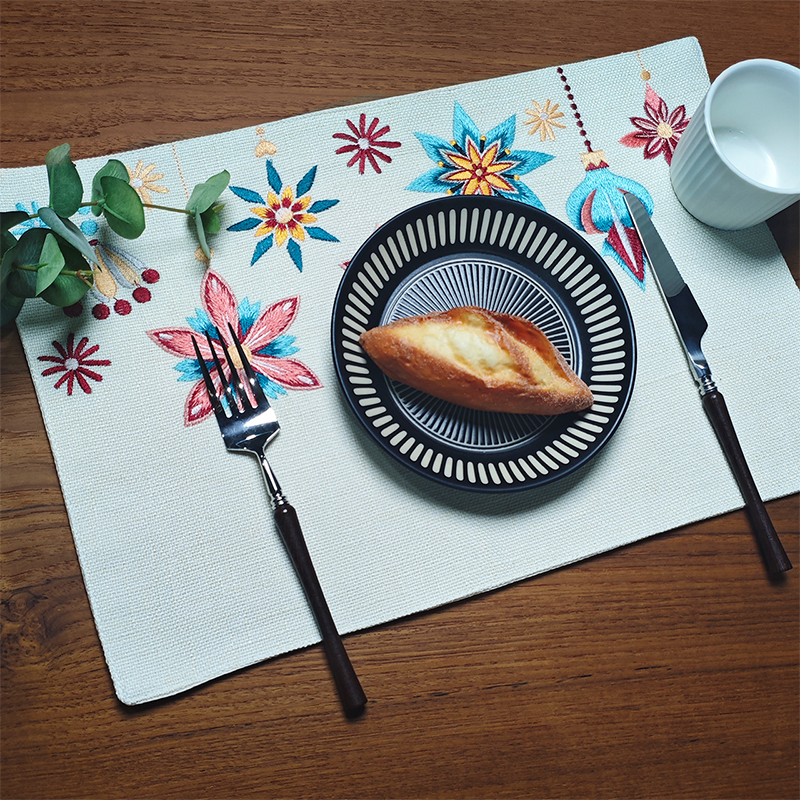
Washable placemats are typically made from cotton, linen, or polyester blends that can be machine-washed after use. While these materials often absorb spills rather than repelling them, many washable placemats today are treated with a water-resistant coating that provides temporary protection, allowing enough time to wipe up a spill before it fully soaks in.
The key limitation of washable fabric mats is that repeated exposure to liquids, especially oils and acidic foods, can gradually break down any water-resistant coating over time, leading to permanent staining or discoloration after extended use. For households prioritizing a softer, more traditional table aesthetic over maximum spill protection, washable fabric mats remain a popular choice despite this tradeoff.
Comparing Waterproof and Washable Placemats
The table below highlights the core differences between waterproof and washable placemats to help families determine which option best fits their household needs.
| Feature | Waterproof Placemats | Washable Fabric Placemats |
| Spill Response | Wipe clean instantly | Requires washing or quick blotting |
| Stain Resistance | High, non-porous surface | Moderate, can stain over time |
| Texture and Feel | Firm or rubbery | Soft, fabric-like |
| Best For | Kids, daily heavy use | Formal dining, light use |
Choosing the Right Placemats for Families with Kids
Households with young children generally benefit most from waterproof placemats, given the frequency of dropped food, spilled drinks, and messy hands during mealtimes. Silicone mats in particular offer an added advantage for kids, as their flexible texture makes them easier to fold and rinse under running water, allowing for quick cleanup between meals without needing a full laundry cycle.
For families who prefer a more polished table appearance during weekend dinners or gatherings, keeping a set of washable fabric placemats on hand for lower-mess occasions, alongside daily-use waterproof mats, offers a practical middle ground between durability and aesthetics.
Care Tips to Extend the Life of Your Placemats
Regardless of material, proper care significantly extends the usable life of any placemat. Following a few simple habits can help maintain both appearance and function over time.
- Wipe waterproof placemats immediately after meals to prevent residue buildup in textured surfaces.
- Avoid placing extremely hot cookware directly on PVC mats, as excessive heat can warp the material.
- Wash fabric placemats promptly after spills rather than letting stains set overnight.
- Air dry silicone and vinyl mats fully before stacking to prevent trapped moisture and odor.
- Rotate between multiple sets of placemats to reduce daily wear on any single mat.
Ultimately, the right choice between waterproof and washable placemats comes down to how a family actually uses their dining table day to day. For high-mess, high-frequency meals, waterproof materials offer unmatched convenience, while washable fabric options remain a comfortable choice for lighter, more occasional use.
 Previous



