
 En
En
 عربى
عربى
What Makes Plain Dyed Tablecloths a Smart Choice for Any Table Setting?
Plain dyed tablecloths are one of the most versatile and practical textile investments you can make for your home, restaurant, or event space. Unlike printed or embroidered alternatives, plain dyed options offer a clean, uniform color across the entire fabric — making them easy to coordinate, style, and replace. Whether you are setting a formal dining table or dressing up an outdoor buffet, understanding what plain dyed tablecloths bring to the table (literally) helps you make a better purchasing decision.
What "Plain Dyed" Actually Means in Textile Terms
The term "plain dyed" refers to fabric that has been dyed after weaving, resulting in a single, consistent color throughout the cloth. This is different from yarn-dyed fabric, where individual threads are dyed before weaving, or printed fabric, where a design is applied to the surface after production. In plain dyeing, the entire piece of woven cloth is immersed in a dye bath, allowing the color to penetrate evenly across both sides of the fabric.
This method is commonly used with fabrics such as polyester, cotton, linen, and cotton-polyester blends. Each material responds to dye slightly differently — cotton absorbs rich, deep tones while polyester tends to hold brighter, more saturated shades. The dyeing process also affects how the color holds up over time, which is why paying attention to dye quality and fabric type matters when shopping for tablecloths that will see regular use and washing.
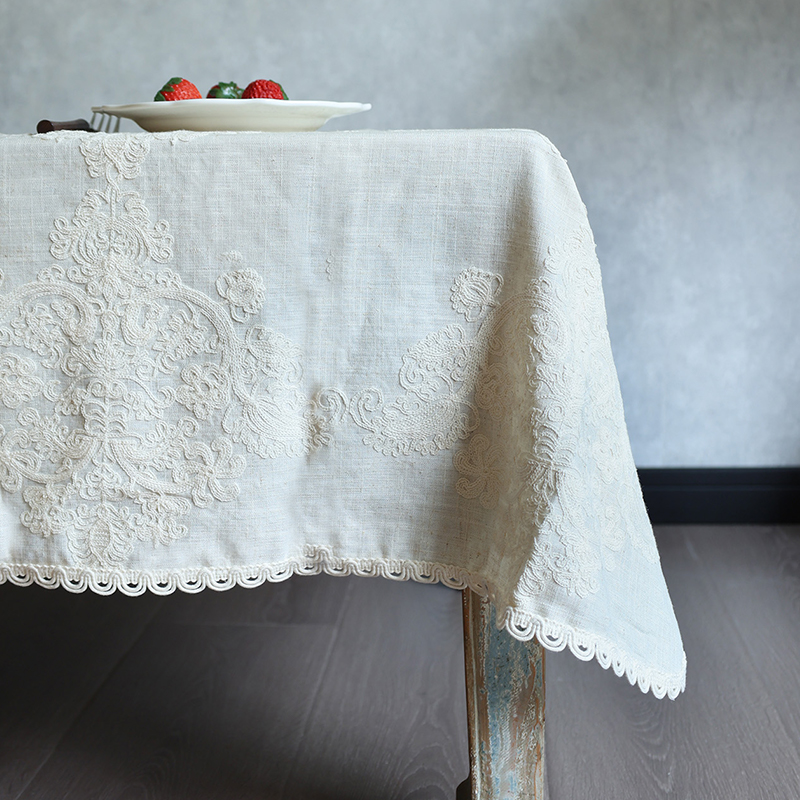
Common Fabric Options for Plain Dyed Tablecloths
Choosing the right base fabric is just as important as choosing the right color. Each material offers a different combination of texture, durability, and maintenance requirements. Here is a comparison of the most widely available options:
| Fabric | Feel | Durability | Best For |
| 100% Cotton | Soft, breathable | Moderate | Everyday home use |
| Polyester | Smooth, crisp | High | Commercial & events |
| Cotton-Poly Blend | Balanced | High | Restaurants, frequent use |
| Linen | Textured, natural | Moderate | Upscale dining, special occasions |
Polyester plain dyed tablecloths are particularly popular in the hospitality industry because they resist wrinkles, dry quickly after washing, and maintain color vibrancy through hundreds of wash cycles. Cotton and linen options, while requiring more care, offer a more luxurious feel for home dining and formal events.
How to Choose the Right Color for Your Space
Because plain dyed tablecloths come in a single solid color with no print to distract the eye, the color you choose has a significant visual impact on the entire table setting. A few practical guidelines make this decision easier.
Neutral Tones for Maximum Versatility
White, ivory, taupe, grey, and black are the most flexible choices. They work with almost any dinnerware, centerpiece, or chair covering. White and ivory are classic for weddings and formal dining. Black and charcoal read as modern and contemporary, making them popular in restaurant settings. Taupe and natural linen shades bridge the gap between casual and formal, particularly when paired with wooden tableware or natural floral arrangements.
Using Color to Set a Mood
If you want a more expressive table, plain dyed tablecloths in bold or saturated tones — navy, forest green, burgundy, terracotta, mustard yellow — create strong visual anchors. Because the color is consistent and unbroken, a rich plain dyed cloth reads as sophisticated rather than busy. This is a key advantage over heavily patterned tablecloths, which can feel overwhelming when layered with decorative elements like candles, centerpieces, and china.
Seasonal and Occasion-Based Selection
Many buyers who use tablecloths regularly maintain a small collection of plain dyed options in different colors to rotate through the year. Lighter shades like pale blue, mint, or blush work well for spring and summer gatherings, while deeper jewel tones feel appropriate for autumn and winter holidays. Building a small rotation of three to four colors allows you to keep table presentations fresh without investing in a wide variety of printed linens.
Sizing and Fit: Getting the Drop Right
Proper sizing affects how a tablecloth looks and functions. The "drop" refers to how much the cloth hangs over each side of the table. Different settings call for different drops:
- A casual drop of 6 to 8 inches is standard for everyday home dining. It covers the table edge neatly without hanging too low.
- A formal drop of 12 to 15 inches is used in upscale restaurants and for dinner parties. It creates an elegant, finished look.
- A floor-length drop is typically reserved for buffet tables, display tables, or ceremony settings where the underside of the table needs to be concealed completely.
To calculate the right tablecloth size, measure the length and width of your table and add twice the desired drop to each dimension. For example, a 6-foot rectangular table (72 x 30 inches) with a 12-inch drop requires a tablecloth measuring at least 96 x 54 inches. Always check manufacturer dimensions carefully, as sizing labels such as "6-foot" or "8-foot" can vary between suppliers.
Care and Maintenance Tips to Preserve Color and Shape
The long-term appearance of a plain dyed tablecloth depends heavily on how it is laundered and stored. Because the entire cloth is one color, any fading, yellowing, or staining is immediately noticeable. Following these care practices extends the life of the fabric significantly.
- Wash dark or vivid plain dyed tablecloths separately for the first several washes to prevent color bleeding onto other items.
- Use a gentle or cool wash cycle to minimize dye degradation and fiber stress, particularly for cotton and linen.
- Avoid chlorine bleach on colored fabrics, as it strips the dye unevenly. Use oxygen-based stain removers for spot treatments instead.
- Tumble dry on a low setting or air-dry to prevent shrinkage and heat-related color fading.
- Iron while the fabric is slightly damp for a crisper finish. Polyester tablecloths generally require little or no ironing.
- Store folded tablecloths away from direct sunlight, which causes gradual bleaching even in storage.
Where Plain Dyed Tablecloths Work Best
Plain dyed tablecloths are used across a wide range of settings, and their simplicity is precisely what makes them so adaptable. In restaurant environments, they provide a consistent, professional appearance across every table without competing with food presentation or ambiance. In event planning — weddings, corporate dinners, charity galas — they serve as a blank canvas that allows floral arrangements, lighting, and centerpieces to take the visual lead.
For home use, a plain dyed tablecloth instantly elevates an everyday dining table. Switching from a bare wooden surface to a well-fitted cloth in a warm or neutral tone changes the entire character of a meal. They are also practical for households with children or frequent entertaining, where spills are inevitable — a solid-colored cloth conceals minor staining better than a white one, and can be replaced affordably if the color eventually fades beyond correction.
Craft and market vendors also rely on plain dyed tablecloths for display tables, as they provide a clean background that makes products stand out clearly. A forest green or navy cloth beneath handmade ceramics or artisan food products creates a polished presentation without distracting from the items on display.
Buying Considerations: What to Look for Before You Purchase
When evaluating plain dyed tablecloths, a few technical details separate a durable product from a poor-value one. Thread count and fabric weight indicate how substantial the cloth feels and how well it will hold up to repeated washing. Heavier fabrics — generally 200 GSM and above for cotton-poly blends — drape better and resist tearing at seam edges.
Check whether the tablecloth has been treated for stain resistance or water repellency. Some plain dyed polyester tablecloths include a surface treatment that causes liquids to bead and roll off, which is highly practical for catering and event use. This treatment can degrade over time with washing, so understanding its longevity before purchasing is worth doing.
Finally, assess the hemming and seam finish. Double-stitched or overlocked hems resist fraying far better than single-stitch edges, and mitered corners give a neater appearance when the cloth is laid flat. These construction details are often what separates a tablecloth that lasts three years from one that begins unraveling after a season of regular use.
 Previous



