
 En
En
 عربى
عربى
Content
Embroidered women's clothing represents a timeless fusion of traditional craftsmanship and contemporary fashion, transforming ordinary garments into distinctive pieces that showcase artistry, cultural heritage, and personal style. The embroidery adorning women's clothing encompasses diverse techniques ranging from delicate hand-stitched details to sophisticated machine-generated patterns, each method producing unique aesthetic effects and quality characteristics. Understanding these embroidery techniques enables informed purchasing decisions and helps appreciate the skill and value embodied in embellished garments that elevate everyday wardrobes beyond mass-produced basics.
Hand embroidery maintains its prestigious position as the most valued and labor-intensive technique, with skilled artisans creating intricate designs through individual stitches applied directly to fabric. Traditional methods such as cross-stitch, satin stitch, chain stitch, and French knots produce dimensional effects and subtle variations that machine work cannot replicate. Machine embroidery has evolved significantly with computerized systems capable of reproducing complex designs with remarkable precision and consistency, making elaborate embellishment accessible at various price points. Contemporary fashion increasingly combines both approaches, utilizing machine embroidery for base patterns while adding hand-finished details that provide authentic artisanal character distinguishing premium garments from basic decorated apparel.
Popular Types of Embroidered Women's Garments
Embroidery enhances virtually every category of women's clothing, from casual everyday pieces to formal occasion wear, with certain garment types particularly well-suited to embellished designs that maximize visual impact and wearability.
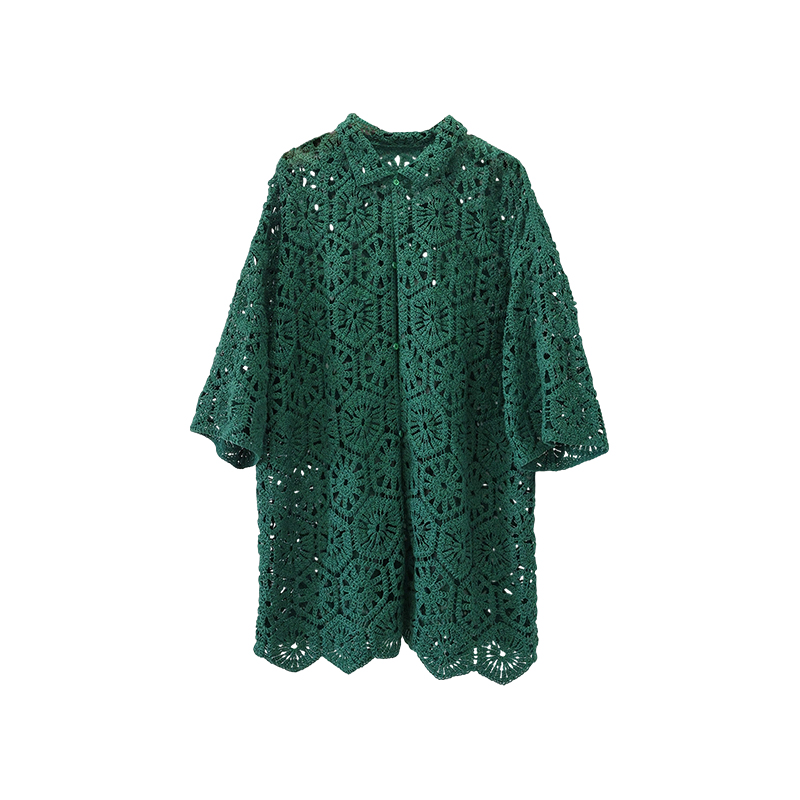
Blouses and Tops
Embroidered blouses represent versatile wardrobe staples that transition seamlessly between casual and professional settings depending on design complexity and placement. Peasant-style blouses featuring floral embroidery along necklines, sleeves, and bodices channel bohemian aesthetics perfect for relaxed weekend wear or vacation outfits. Structured cotton or linen shirts with subtle monogram embroidery or delicate geometric patterns project polished professionalism appropriate for business casual environments. Silk or chiffon tops adorned with intricate beaded embroidery serve as elegant options for evening events or special occasions. The embroidery placement significantly influences the garment's formality level, with collar and cuff details appearing more conservative while dramatic back panels or sleeve embellishments make bolder fashion statements.
Dresses and Gowns
Embroidered dresses range from casual day dresses with simple embellishments to elaborate evening gowns showcasing museum-quality needlework. Shirt dresses featuring embroidered yokes or hem details provide comfortable yet distinctive casual wear suitable for various daytime activities. Midi and maxi dresses with allover embroidered patterns or strategic placement along seams create eye-catching silhouettes for brunches, garden parties, or cultural events. Cocktail dresses incorporating metallic thread embroidery, sequin work, or beading deliver sophisticated glamour for formal gatherings. Wedding and special occasion gowns often feature the most elaborate embroidery, with hand-applied details requiring hundreds of hours to complete, creating heirloom-quality garments representing significant investments in artistry and craftsmanship.
Jackets and Outerwear
Embroidered jackets transform basic outerwear into statement pieces that anchor entire outfits. Denim jackets customized with floral, animal, or abstract embroidery patterns have become contemporary classics offering personalized style expression. Kimono-style jackets featuring traditional Asian-inspired embroidery motifs provide elegant layering options that blend cultural appreciation with modern fashion sensibilities. Tailored blazers with subtle embroidered details along lapels or pockets maintain professional appropriateness while adding distinctive character. Bomber jackets adorned with bold embroidered graphics appeal to younger demographics seeking streetwear-influenced fashion with artistic flair.
Styling Embroidered Clothing for Different Occasions
Successfully incorporating embroidered garments into various outfits requires understanding how to balance embellished pieces with complementary items that enhance rather than compete with decorative details.
| Occasion | Garment Type | Styling Approach | Accessories |
| Casual Weekend | Embroidered jeans, peasant top | Pair with neutral basics | Minimal jewelry, casual shoes |
| Business Casual | Subtle embroidered blouse | Tailored trousers, blazer | Classic pumps, simple earrings |
| Cocktail Party | Embroidered dress or top | Let embroidery be focal point | Statement clutch, heels |
| Festival/Outdoor Event | Embroidered maxi dress, jacket | Layered bohemian styling | Boots, layered necklaces |
The One-Statement-Piece Principle
When styling embroidered clothing, the fundamental principle involves allowing the embellished garment to serve as the outfit's focal point while keeping other elements relatively simple and understated. Heavily embroidered pieces paired with equally busy patterns or excessive accessories create visual chaos that diminishes the embroidery's impact. Instead, complement ornate embroidered tops with solid-colored bottoms in neutral tones such as black, navy, white, or beige that provide clean backgrounds highlighting decorative details. If wearing embroidered bottoms like jeans or skirts, balance them with simple tops in coordinating or contrasting solids. This approach ensures the embroidery receives appropriate attention while maintaining overall outfit cohesion and sophistication.
Color Coordination Strategies
Embroidery often incorporates multiple thread colors creating complex palettes that require thoughtful coordination with other wardrobe pieces. Identify the dominant color in the embroidery pattern and select complementary garments in that shade to create harmonious color stories. Alternatively, choose neutrals that won't compete with the embroidery's color complexity. Monochromatic approaches using embroidery in the same color family as the base fabric create subtle, sophisticated effects appropriate for professional settings. Contrasting embroidery on neutral backgrounds produces bold, eye-catching results suitable for casual or evening wear where making fashion statements is desirable.
Quality Indicators in Embroidered Garments
Distinguishing high-quality embroidered clothing from inferior products requires examining specific construction details and material characteristics that indicate craftsmanship levels and longevity expectations.
- Thread quality determines embroidery durability and appearance, with premium garments using colorfast threads that resist fading through repeated washing and sun exposure
- Stitch density and consistency reveal construction quality, with uniform tension and appropriate spacing preventing puckering while ensuring pattern definition
- Backing and stabilization techniques prevent embroidery from distorting base fabric, with quality pieces showing smooth reverse sides without excessive bulk or loose threads
- Pattern alignment at seams demonstrates attention to detail, with premium garments carefully matching embroidered motifs across construction points
- Base fabric quality affects overall garment performance, with fine embroidery deserving equally fine foundation materials in appropriate weights and weaves
Proper Care and Maintenance Guidelines
Embroidered garments require more careful handling than plain clothing to preserve decorative details and prevent damage that could diminish their appearance or structural integrity. Following appropriate care procedures extends the lifespan of embroidered pieces and maintains their visual appeal through years of wear.
Washing and Cleaning Methods
Hand washing represents the safest cleaning method for delicate embroidered clothing, particularly pieces featuring hand embroidery, beadwork, or metallic threads susceptible to damage from machine agitation. Use cool or lukewarm water with mild detergent specifically formulated for delicate fabrics, gently swishing the garment without rubbing or wringing embroidered areas. When machine washing is necessary, turn garments inside out to protect embroidery from friction, place items in mesh laundry bags for additional protection, and select gentle cycles with cold water. Avoid chlorine bleach which can discolor threads and weaken fibers. For heavily embellished or valuable pieces, professional dry cleaning by specialists experienced with embroidered textiles provides the most reliable cleaning outcomes.
Drying and Storage Practices
Air drying preserves embroidered clothing better than machine drying which can cause shrinkage, thread damage, or embellishment loss. Lay garments flat on clean towels, gently reshaping to original dimensions while ensuring embroidered areas lie smooth without bunching. Avoid hanging wet embroidered garments as fabric weight can stretch construction and distort patterns. Once completely dry, store embroidered pieces on padded hangers or carefully folded in breathable fabric bags protecting against dust while preventing compression damage to dimensional embroidery. Cedar blocks or lavender sachets provide natural moth protection for natural fiber garments with extensive wool or silk embroidery.
Shopping Considerations and Investment Value
Purchasing embroidered women's clothing involves balancing aesthetic preferences, quality expectations, budget constraints, and intended use scenarios to make selections that deliver satisfaction and appropriate value.
Understanding Price Variations
Embroidered clothing prices span enormous ranges from affordable fast-fashion pieces to luxury designer garments costing thousands of dollars, with variations reflecting labor intensity, material quality, brand positioning, and production methods. Machine-embroidered items from mass-market retailers provide accessible entry points for incorporating embellished pieces into wardrobes without significant financial commitment, though quality and uniqueness may be limited. Mid-range brands offering mixed hand and machine embroidery balance affordability with better construction and distinctive designs. High-end designer pieces and artisan-crafted garments command premium prices justified by exceptional materials, extensive hand embroidery, limited production, and superior longevity making them worthwhile investments for special occasions or capsule wardrobe foundations.
Evaluating Versatility and Wearability
Before purchasing embroidered garments, consider how frequently and in what contexts you'll wear them to ensure selections earn their closet space and financial investment. Subtly embroidered basics in neutral colors with timeless designs offer maximum versatility, pairing easily with existing wardrobe pieces and remaining stylistically relevant across seasons. Bold, heavily embellished statement pieces may see limited wear unless your lifestyle includes frequent occasions warranting such attire. Assess whether the embroidery style aligns with your personal aesthetic and body proportions, as poorly placed embellishment can create unflattering effects while well-positioned details enhance your best features.
Cultural Appreciation and Ethical Considerations
Many embroidery traditions carry deep cultural significance, representing centuries of heritage, regional identity, and artistic expression passed through generations of craftspeople. When incorporating embroidered clothing into modern wardrobes, approaching these traditions with respect and awareness demonstrates cultural sensitivity while supporting artisan communities.
Traditional embroidery styles from specific regions or cultures including Mexican Otomi, Indian Chikankari, Palestinian Tatreez, Hungarian Kalocsa, and Chinese Suzhou embroidery each possess distinctive characteristics and historical contexts worth understanding and honoring. Purchasing directly from artisan cooperatives, fair-trade organizations, or brands transparently supporting traditional craftspeople ensures your fashion choices contribute positively to preserving endangered needlework traditions while providing sustainable livelihoods for skilled embroiderers. Many contemporary designers collaborate with traditional artisans, creating fusion pieces that respectfully reinterpret heritage techniques for modern aesthetics while fairly compensating creators and acknowledging cultural origins. This ethical approach to embroidered fashion enables appreciation of global textile artistry while avoiding appropriation concerns and supporting cultural preservation efforts that benefit both artisans and fashion consumers seeking meaningful, story-rich wardrobe additions that transcend disposable trends.
 Previous



