
 En
En
 عربى
عربى
Content
- 1 Introduction to Embroidered T-Shirts
- 2 Materials Used in Embroidered T-Shirts
- 3 Embroidery Techniques for T-Shirts
- 4 Thread Selection and Color Considerations
- 5 Design Considerations and File Preparation
- 6 Applications of Embroidered T-Shirts
- 7 Care Instructions for Embroidered T-Shirts
- 8 Comparison with Printed T-Shirts
- 9 Conclusion: The Value of Embroidered T-Shirts
Introduction to Embroidered T-Shirts
Embroidered T-shirts have evolved from basic apparel to a fashionable and professional branding tool. Combining textile quality with intricate designs, embroidery offers a long-lasting, premium alternative to printed graphics. These shirts are popular across casual fashion, corporate uniforms, promotional merchandise, and custom fashion lines.
The core appeal of embroidered T-shirts lies in the tactile, textured designs that stand out visually and endure repeated washing. They offer a professional aesthetic that resonates with both fashion-conscious consumers and businesses seeking durable branding options.
Materials Used in Embroidered T-Shirts
Selecting the right fabric is critical for achieving high-quality embroidery. T-shirt fabrics must provide stability to support threads while maintaining comfort, breathability, and stretch. Common materials include:
- Cotton: Soft, breathable, and highly compatible with embroidery threads
- Cotton-polyester blends: Offers durability, reduced shrinkage, and wrinkle resistance
- Polyester: Strong and colorfast, ideal for sports or performance T-shirts
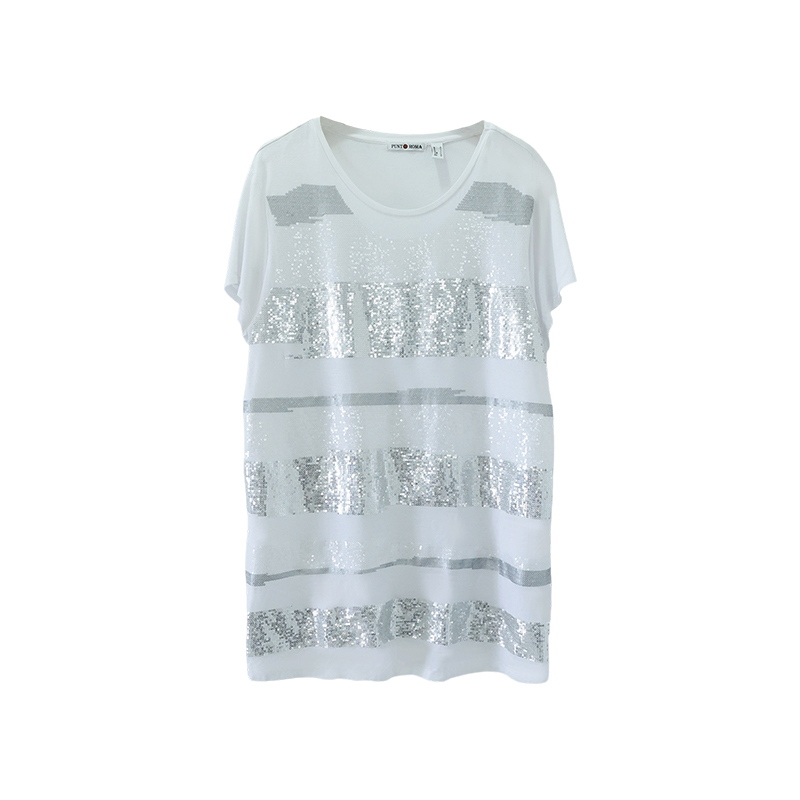
Embroidery Techniques for T-Shirts
The embroidery process defines the visual quality and durability of the design. Modern techniques vary from traditional hand embroidery to high-precision computerized methods. The most common techniques include:
Machine Embroidery
Computerized machine embroidery allows for intricate, consistent designs in high volume. Machines follow digital patterns, enabling precise placement and uniform stitching. This method is widely used for corporate logos, sports uniforms, and retail fashion lines.
Hand Embroidery
Hand embroidery offers a unique artisanal touch. While time-consuming, it creates textured designs with subtle variations, ideal for premium or custom T-shirts. Hand embroidery allows for creative freedom with stitches like satin, chain, and French knots.
3D Puff Embroidery
3D puff embroidery raises the stitched areas using foam underlay, creating a three-dimensional effect. This technique is commonly applied to caps and bold logo designs on T-shirts, giving a dynamic visual impact.
Thread Selection and Color Considerations
The choice of embroidery thread affects design longevity, texture, and color vibrancy. Polyester threads are popular for their colorfastness and durability, while rayon threads offer a glossy, luxurious finish. Cotton threads provide a soft, matte appearance suitable for casual or vintage looks.
- Polyester threads resist UV fading and repeated washing
- Rayon threads provide a smooth, reflective finish for premium designs
- Cotton threads blend seamlessly with natural fabrics for a subtle aesthetic
Design Considerations and File Preparation
Embroidery design preparation requires attention to detail to ensure high-quality output. Digital embroidery machines require digitized files that define stitch paths, density, and layering. Designers must consider:
- Thread count and stitch density to avoid fabric puckering
- Color contrast for visual clarity
- Placement on T-shirt areas such as chest, sleeve, or back
Applications of Embroidered T-Shirts
Embroidered T-shirts serve multiple purposes beyond casual fashion. They are used in marketing, branding, events, and personal expression.
Corporate Branding and Uniforms
Companies use embroidered T-shirts for uniforms and promotional campaigns. The embroidery adds a professional, durable logo that withstands regular washing and wear, enhancing brand visibility.
Fashion and Streetwear
Designers and fashion brands incorporate embroidery to create unique textures and visual depth. Limited edition or custom embroidered T-shirts are popular in streetwear markets, combining artistry with wearable apparel.
Sports Teams and Events
Sports teams, clubs, and event organizers prefer embroidered T-shirts for durable, high-quality logos and numbers. The design withstands active wear and repeated laundering, making it ideal for team uniforms.
Care Instructions for Embroidered T-Shirts
Proper care preserves embroidery appearance and fabric integrity. Recommended practices include:
- Machine wash in cold water to minimize shrinkage
- Turn T-shirts inside out to protect stitching
- Use mild detergents without bleach to avoid color fading
- Avoid high-heat drying; air-dry or use low heat
Comparison with Printed T-Shirts
Embroidery differs from printing in durability, texture, and perceived quality. Unlike screen printing or heat transfer, embroidery provides raised, tactile designs that maintain their integrity over time. The table below summarizes key differences:
| Feature | Embroidered T-Shirts | Printed T-Shirts |
| Durability | High; resists washing and wear | Moderate; prone to cracking and fading |
| Texture | Raised and tactile | Flat, smooth surface |
| Perceived Value | Premium, professional look | Casual, mass-market appeal |
| Customization | Excellent for logos and monograms | Better for large, colorful graphics |
Conclusion: The Value of Embroidered T-Shirts
Embroidered T-shirts combine fashion, branding, and durability into a single product. Choosing the right fabric, thread, and technique ensures high-quality designs that appeal to consumers and withstand repeated wear. Whether for corporate identity, sports teams, or fashion collections, embroidered T-shirts remain a versatile, high-value apparel choice.
Understanding materials, embroidery techniques, care instructions, and application scenarios empowers manufacturers and designers to create T-shirts that are visually striking, durable, and aligned with brand identity.
 Previous



