
 En
En
 عربى
عربى
Content
A textile buyer scanning last week's bedding industry news would find two stories side by side: a major hotel group announcing a 400-room renovation, and an investment report noting that consumers are trading down on price while paying more for texture. Those two headlines point to one sourcing truth: demand for premium fabric details is holding up even when volume is flat.
The reason is not hard to understand. Hotel renovation orders and consumer demand for tactile luxury both flow through the same purchasing channel. The buyer in that channel evaluates fabric suppliers not only on unit cost but on evidence of compliance, consistency, and the ability to produce custom work. These factors decide which textile partner gets the order, and they explain why some bedding industry news matters far more than the surface headlines suggest.
What Actually Matters in Bedding Industry News
Quarterly reports and market briefs usually lead with retailer expansion plans, brand acquisitions, and executive appointments. Those headlines serve investors, but they should not shape the fabric sourcing calendar. A more valuable reading method is to look for signals about the product itself: what material is being specified, what finish is being requested, and what proof of compliance is attached to the order.
The pattern that keeps appearing is a shift toward materials that justify a premium. Buyers are asking for heavier fabric weights, higher yarn counts, and more sophisticated weaving structures. This is visible in the hospitality sector, where table linens and decorative textiles are selected to reinforce the perceived quality of a room, not merely to cover a surface. When a hotel group evaluates bed and dining textiles together, the purchasing conversation is about guest experience rather than price per meter.
Social media commentary and opinion columns add very little to the sourcing calendar. The paragraphs that matter are the ones with numbers: shipment indices, fiber price movements, and compliance thresholds. A mattress shipment figure tells you how much inventory is moving, while a fiber price trend tells you when to lock in a fabric order before the next cost increase.
Three Sourcing Signals Hidden in Current Headlines
Sustainability Compliance Has Become a Gatekeeper
European and North American retailers increasingly require documented compliance before they will review a sample. OEKO-TEX certification, REACH-compliant dyes, and transparent chemical management are no longer optional extras. They are part of the qualification stage. A supplier that can produce the relevant paperwork in advance saves the buyer weeks of lead time and reduces the risk of a last-minute rejection.
Texture Is Replacing Technology as the Selling Point
Consumers still value performance, but the strongest marketing message in bedding and decorative textiles is now tactile. Velvet, jacquard, satin, and embroidered surfaces create an immediate sensory impression that spec sheets cannot match. This explains why decorative throw pillows, framed art, and patterned tablecloths have grown into essential merchandising elements for bedding retailers.
The reason is straightforward. A consumer who walks past a mattress display and stops at a velvet throw pillow is already in the decision process. Tactile features create the emotional anchor that makes a higher ticket price feel justified. For a fabric supplier, the ability to produce a velvet surface with consistent pile and color depth is a commercial advantage, not a decorative afterthought.
Customization Is Moving Into Standard Procurement
Monogrammed cloth napkins, embroidered logos, and color-matched accessories have moved from boutique services to acceptable line items in commercial purchase orders. This shift matters for fabric suppliers because it changes both the production process and the approval cycle. Custom requests require flexible manufacturing, careful thread matching, and a clear understanding of how embroidery behaves on different base fabrics. A supplier with an in-house embroidery operation can offer a faster sampling cycle and a more consistent result.
 Custom Embroidered Napkins for Hospitality and Home DiningThese embroidered napkins feature dimensional, high-tensile embroidery that adds texture and depth, making them suitable for custom monograms or logos. Their premium cotton or linen blends retain color and shape through repeated washing, supporting elegant table settings.View Product →
Comparing Bedding and Decorative Textile Materials
Material choice is the first decision when a bedding or hospitality line is planned. The following table summarizes the most common options and the operational caution each one carries.
| Material | Key Strength | Typical Application | Sourcing Consideration |
|---|---|---|---|
| Cotton | Breathable, soft, easy to wash | Bedding sheets, napkins, tablecloths | Potential shrinkage; commercial buyers should request pre-shrunk fabric |
| Linen / Ramie | Strong fibers, distinctive drape, natural luster | High-end table runners, decorative textiles | Wrinkles readily; hospitality use requires a consistent finishing standard |
| Polyester | Durable, wrinkle-resistant, strong color retention | High-volume restaurant and hotel table linens | Lower breathability; do not specify for sleep products without a blending plan |
| Velvet / Satin | Rich surface, decorative appeal, deep color depth | Luxury throw pillows, decorative framed art | Delicate care; test laundering cycles before committing to bulk production |
The selection process depends heavily on the end client. For a quick-service restaurant, polyester tablecloths may be the most efficient choice. For a boutique hotel or a premium bedding brand, linen or ramie textiles connect more strongly with the brand story. Supporting both ends of that spectrum is exactly what a full-service textile supplier is expected to do.
Embroidery as the Reliable Craftsmanship Signal
Across bedding and home textile collections, embroidery remains the most visible marker of quality. A monogram on a cloth napkin, a floral pattern on a velvet throw pillow, or a woven logo on a table runner communicates a level of care that printed designs often cannot achieve. This is a practical point, not a romantic one. Embroidery raises the perceived value of the product and creates a defensible differentiation point for brands that compete on experience.
The technique itself has matured. Automatic embroidery machines now handle high-volume repeat patterns with great precision, while skilled artisans still manage the finishing details that define premium pieces. Both are needed. A supplier that controls this process internally can be more responsive to design changes and more reliable in maintaining tolerance across batches. For a deeper look at the practical differences between processing routes, our analysis of embroidery technology advantages walks through the quality and cost factors.
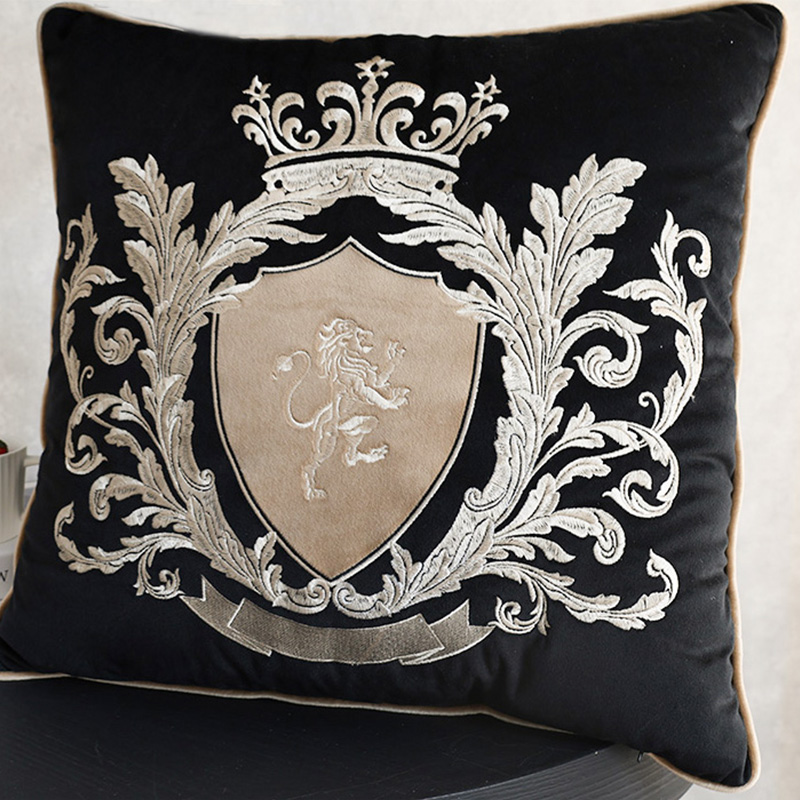 Printed Velvet Throw Pillows with Embroidered Accents for Modern DécorVelvet throw pillows with vivid prints and soft sheen offer a luxurious accent for living rooms or bedrooms. Their durable fabric and high-quality dyeing suit both contemporary and vintage styles, enhancing hospitality environments.View Product →
When the same embroidery and finishing expertise is applied to decorative throw pillows, the result is particularly relevant to bedroom merchandising. Embroidered throw pillows in modern bedroom décor are becoming a common way for bedding retailers to create an inviting, styled environment around the core sleep product.
What Hospitality Buyers Should Track in Bedding News
The hospitality segment is an excellent filter for interpreting bedding industry news. When a hotel group announces a renovation, the order usually includes not only mattresses but also table linens, decorative pillows, and framed art. This means a fabric supplier can add value by anticipating the design language of the project rather than waiting for a detailed specification.
In practice, hospitality buyers prioritize three things: durability under commercial laundering, visual consistency across batches, and the ability to handle custom sizing. A fabric supplier with weaving, dyeing, and embroidery in one supply chain is better positioned to meet these requirements than a trader that coordinates multiple external factories. The main operational risk in hospitality textile procurement is batch-to-batch color variation, which is why a documented color-matching procedure belongs in any supplier evaluation.
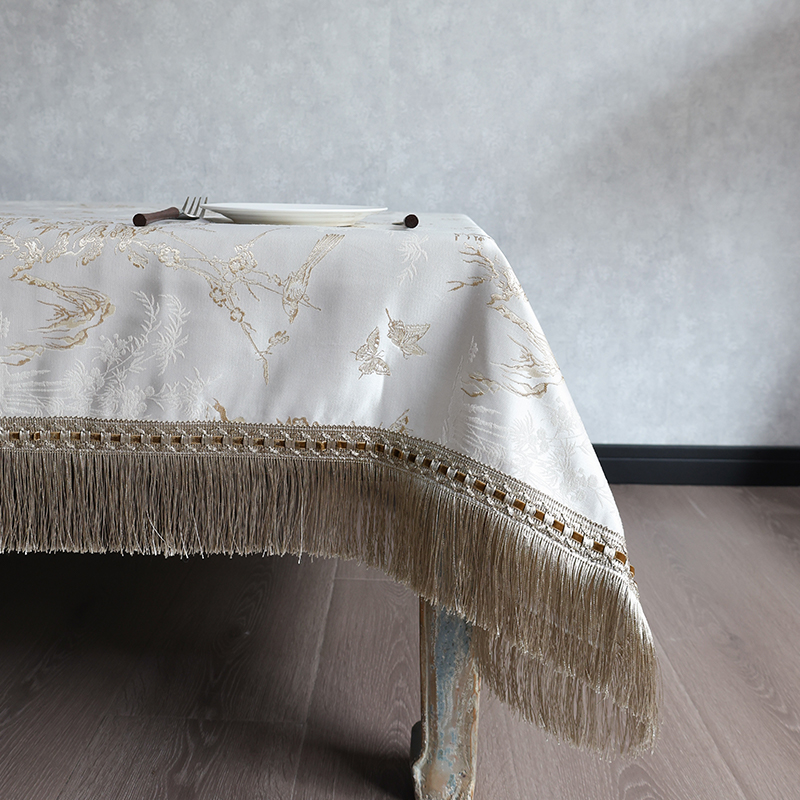 Durable Jacquard Tablecloths for Commercial and Home UseJacquard weaving creates reversible, wear-resistant patterns that withstand frequent laundering. Ideal for hotels and restaurants, these tablecloths provide visual consistency and elegance, making them a reliable choice for high-traffic venues.View Product →
Another consideration is the delivery schedule. Hospitality renovation timelines are typically announced months in advance, but procurement decisions are often made much later. A fabric supplier that can compress the sampling cycle or hold a small stock of core colors becomes a reliable partner in these projects. The textile supplier's real responsibility is to reduce the buyer's risk, not to offer the lowest per-meter price.
A Practical Sourcing Checklist
The bedding industry headlines change weekly, but the procurement process follows a stable rhythm. The following checklist summarizes the questions every textile buyer should ask before moving to a bulk order.
- Request compliance certificates early and verify that they cover the intended market region.
- Ask for shrinkage, colorfastness, and seam strength test results relevant to the proposed use.
- Confirm whether the supplier has in-house embroidery or relies on a subcontractor for decorative work.
- Discuss batch-to-batch consistency and how the supplier handles color matching between orders.
- Check the sampling cycle and the lead time for custom monogramming or logo reproduction.
These points remain constant even when the news cycle shifts because they address the core anxieties of sourcing: consistency, documentation, and flexibility. Buyers who treat bedding industry news as a source of material intelligence rather than a sequence of corporate events will always be better prepared when the next order arrives.
 Previous



