
 En
En
 عربى
عربى
Content
When a project reaches the stage of selecting window coverings, upholstery, and table linens, the list of decisions can feel endless. Yet these textile choices are not afterthoughts. They define how a commercial lobby, a hotel restaurant, or a residential living space actually feels. The architectural fabrics market, often discussed in terms of tensile structures and canopies, has a less visible but equally significant side: interior textiles that shape the experience of a built environment. For procurement teams, the challenge is not just finding a fabric supplier, but one that can deliver the right weave, finish, and pattern under real production constraints. The key takeaway is straightforward: textile selection belongs in the specification process, and a supplier that controls weaving, dyeing, and embroidery can make the difference between a smooth install and a costly reorder.
Architectural Fabrics Market: More Than Structural Membranes
Industry research describes a growing category that spans engineered fabrics and decorative textiles. The same market that supports stadium roofs and café pergolas also supplies the drapery and cushions that soften a room. In fact, the boundaries between these applications are blurring. New coating technologies improve UV resistance without sacrificing handfeel, and knitted or woven constructions are being used in façades as well as in interiors.
Three forces are shaping demand. First, sustainability criteria are pushing buyers toward longer-lasting fabrics that can be recycled or repaired. Second, digital design tools make it easier to produce custom patterns, so short runs are becoming feasible. Third, commercial end-users—especially hotels, restaurants, and workspace operators—are investing in the tactile atmosphere of their spaces. For these buyers, architectural fabrics are not just building components; they are part of the brand experience.
From Tensioned Canopies to Interior Textiles: A Selection Framework
Two Broad Categories, Different Rules
| Factor | Structural Fabrics | Interior Textiles |
|---|---|---|
| Primary job | Tension, weather resistance, span coverage | Comfort, acoustics, visual identity |
| Typical materials | PVC coated polyester, PTFE glass, acrylic coated canvas | Cotton, linen, polyester, velvet, jacquard |
| Key tests | Tear strength, fire rating, weathering | Abrasion, lightfastness, machine wash |
| Procurement focus | Third-party certifications, project scale | Customization, color matching, lead time |
When interiors are the focus, the specification shifts. A hotel restaurant that orders embroidered napkins may care more about monogram accuracy and laundry durability than about tear strength. A residential lounge selected with velvet throw pillows will prioritize stain resistance and color retention.
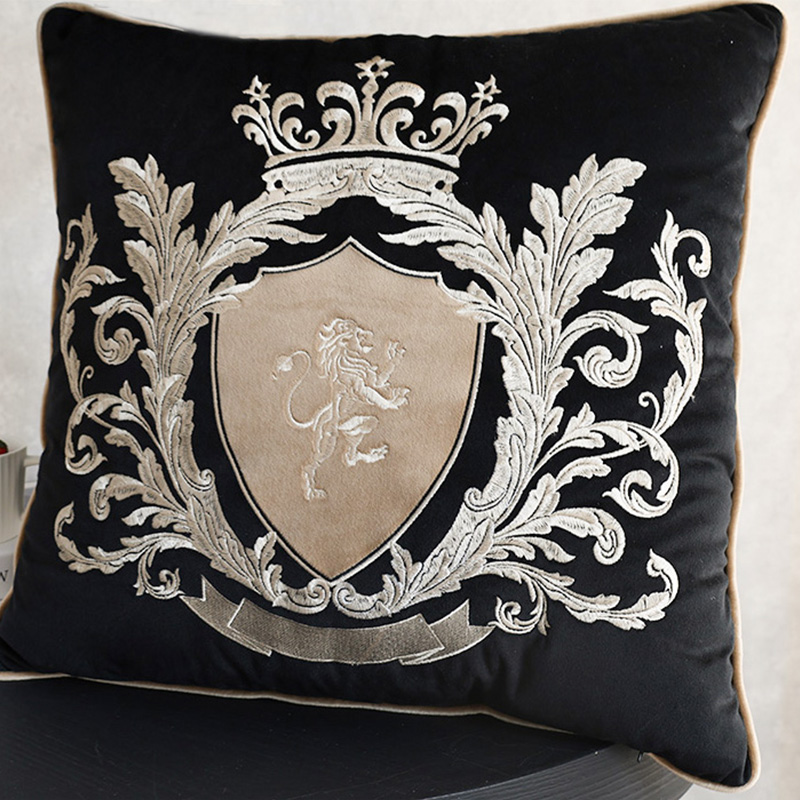 Velvet Throw PillowsDescribe Velvet cushions combine sumptuous softness with luminous sheen. With embroidered accents for high-end or vintage spaces seeking refined sophistication.View Product →
How to Evaluate a Fabric Supplier for Built Environments
Once the fabric type is clear, the supplier evaluation begins. Experienced buyers look for five core capabilities: material knowledge, manufacturing depth, customization, sample speed, and consistency across large runs. Because architectural fabrics often need to meet specific certifications, a supplier that can provide documentation and traceability adds real value.
In many cases, the deciding factor is not the base fabric but the finishing. Embroidery, jacquard weaving, printing, and dyeing can transform a plain yard into a branded, bespoke element. This is particularly true for foodservice and hospitality settings, where custom monogrammed logo napkins are used to signal brand identity at every table. A manufacturer that controls the embroidery process can manage pattern registration, thread selection, and colorfastness better than one that outsources these steps.
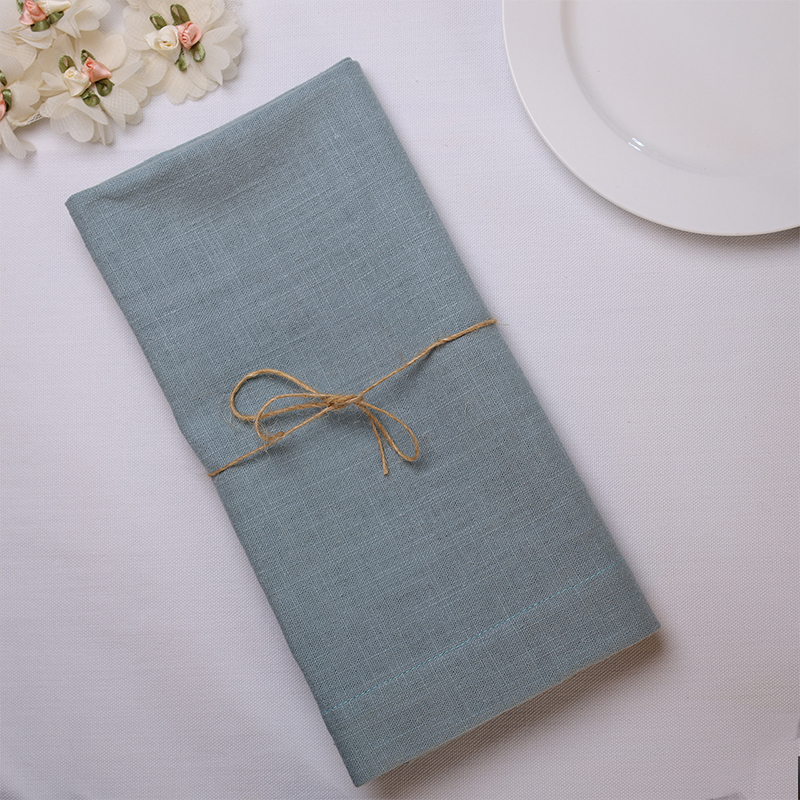 Costom Monogram Logo Cloth NapkinsDescribe Personalize napkins with monograms, logos, or designs in various fonts, colors, and styles. Multiple fabric and technique options are available for corporate ...View Product →
The same logic applies to table linens and placemats. Embroidered placemats, for example, can coordinate with napkins and runners to create cohesive hotel dining setups.
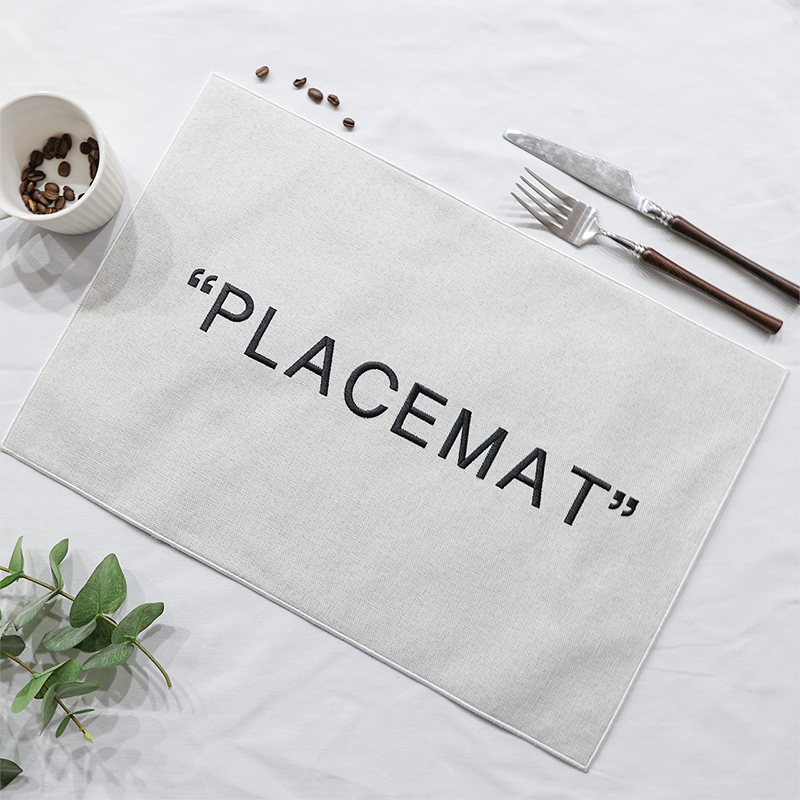 Embroidered PlacematsDescribe Elegant Shield for Your Table – Exquisite embroidered placemats elevate your table into a work of art while protecting its surface. Perfect for romantic dinne...View Product →
Beyond aesthetics, buyers should demand evidence of performance. A compact list of checks includes:
- Abrasion resistance (martindale or similar test)
- Lightfastness rating for UV exposure
- Fire retardancy classification
- Dimensional stability after washing
- Color consistency between production lots
The Case for a Full-Service Textile Partner
Centralizing textile supply reduces risk. A partner with in-house embroidery and a network of certified weaving and dyeing mills can support both short custom orders and large contract rolls. This matters because architectural textiles rarely arrive as standard SKUs; they are specified, matched, and adapted to a building’s lighting, mood, and usage patterns.
Such a partner should also behave like a project participant, offering technical input on fiber selection, print method, and packaging. The result is a shorter sampling loop and fewer rejections. For a full-service approach, see the service model that Pan International Trade provides, which covers everything from fabric development to finished product.
On the industry side, trade events remain the fastest way to benchmark supplier capabilities. In 2025, Pan International Trade will showcase its embroidery and textile solutions at Intertextile Shanghai. This kind of exposure allows buyers to check production quality first-hand and understand what is possible with modern embroidery technology.
For the buyer, the lesson is pragmatic: treat architectural fabrics as a specification item rather than a last-minute selection. Understand how structural and interior fabrics differ, evaluate suppliers against real project requirements, and prioritize vendors who can demonstrate manufacturing depth and customization control. When those pieces are in place, the fabric not only performs—it reinforces the identity of the space.
 Previous



