
 En
En
 عربى
عربى
Content
- 1 Why Material and Technique Matter for Embroidered Jackets
- 2 Best Fabric Materials for Durable Embroidered Jackets
- 3 Fabric Weave and Weight Considerations
- 4 Most Durable Embroidery Thread Types
- 5 Embroidery Techniques That Improve Jacket Durability
- 6 Importance of Stabilizers and Backing Materials
- 7 Comparison Table: Materials and Techniques for Durability
- 8 Maintenance and Care for Long-Lasting Embroidery
- 9 Conclusion: Building Durable Embroidered Jackets
Why Material and Technique Matter for Embroidered Jackets
Durability is one of the most important quality indicators for embroidered jackets. Unlike printed designs, embroidery adds physical structure to the garment through thread density, stitch tension, and backing materials. If the base fabric or embroidery technique is poorly chosen, jackets may suffer from puckering, thread breakage, fading, or fabric distortion after repeated wear and washing.
Selecting the right materials and embroidery methods ensures that embroidered jackets retain their appearance, comfort, and functionality over time. This is especially critical for workwear, team uniforms, promotional apparel, and fashion pieces intended for long-term use.
Best Fabric Materials for Durable Embroidered Jackets
The foundation of a durable embroidered jacket starts with fabric selection. The ideal fabric must support stitch density, resist tearing at needle penetration points, and maintain shape under embroidery tension.
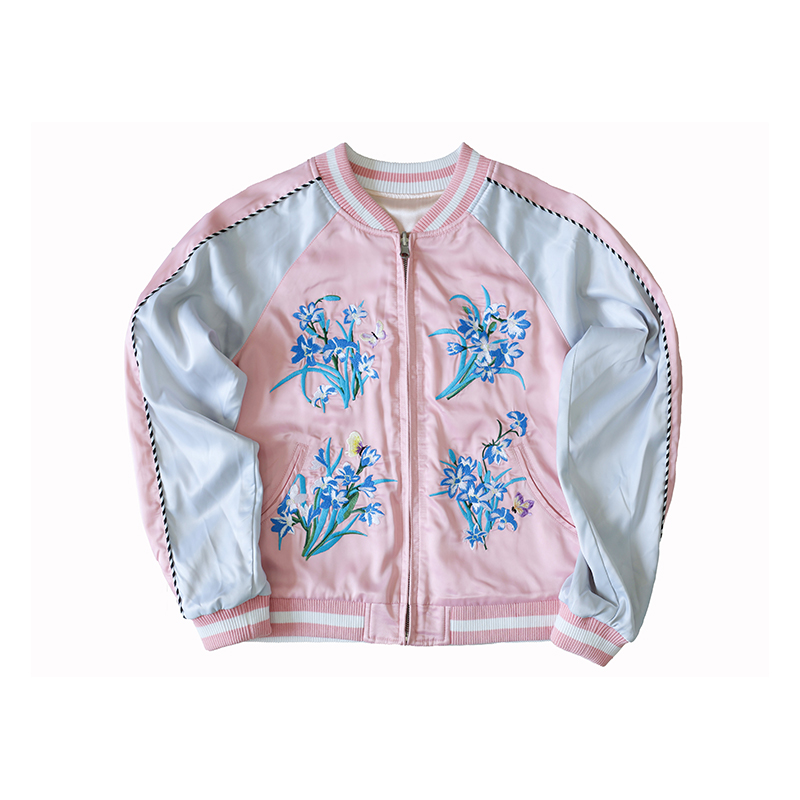
Cotton Twill and Cotton Blends
Cotton twill is one of the most popular fabrics for embroidered jackets due to its balanced weight, natural breathability, and excellent stitch holding capacity. The diagonal weave structure distributes tension evenly, reducing the risk of puckering. Cotton-polyester blends further enhance durability by improving wrinkle resistance and color retention while maintaining embroidery stability.
Polyester and Polyester Blends
Polyester fabrics are widely used for performance and promotional embroidered jackets. They offer high tensile strength, low moisture absorption, and resistance to shrinking. For embroidery, medium to heavy-weight polyester fabrics provide a stable surface that supports dense stitching without distortion.
Denim and Heavy Canvas
Denim and canvas are excellent choices for rugged embroidered jackets such as work jackets or streetwear styles. Their thick yarns and tight weaves can withstand heavy stitch counts and large embroidery areas. These fabrics are particularly suitable for bold logos, patches, and high-relief embroidery designs.
Softshell and Performance Fabrics
Softshell fabrics, commonly used in outdoor jackets, require careful embroidery planning. While they are durable, their stretch and layered construction demand appropriate stabilization. When paired with correct backing and low-tension embroidery techniques, softshell jackets can achieve long-lasting embroidered designs without compromising performance features.
Fabric Weave and Weight Considerations
Beyond fiber composition, fabric weave and weight play a crucial role in embroidery durability. Loosely woven or lightweight fabrics tend to shift during stitching, leading to misalignment and puckering.
For most embroidered jackets, medium to heavy-weight fabrics with tight weaves are recommended. These fabrics provide sufficient resistance against needle penetration and maintain surface smoothness throughout the embroidery process.
Most Durable Embroidery Thread Types
Thread selection directly affects the lifespan and visual quality of embroidered jackets. Durable threads must resist abrasion, UV exposure, washing chemicals, and friction from regular wear.
Polyester Embroidery Thread
Polyester thread is the most widely used option for durable embroidered jackets. It offers excellent colorfastness, high tensile strength, and resistance to fading caused by sunlight and washing. Polyester threads are ideal for outdoor, workwear, and athletic jackets where longevity is critical.
Rayon Embroidery Thread
Rayon thread provides a smooth finish and vibrant colors, making it popular for fashion-oriented embroidered jackets. However, it is less durable than polyester and more sensitive to moisture and chemicals. Rayon is best suited for decorative jackets with lighter wear expectations.
Specialty Threads for Enhanced Durability
For specific applications, specialty threads such as bonded nylon or metallic-coated polyester can be used. These threads offer enhanced abrasion resistance or decorative appeal, but require precise machine settings to avoid breakage.
Embroidery Techniques That Improve Jacket Durability
The embroidery technique itself significantly influences how well a design withstands long-term use. Proper stitch selection and density help distribute stress evenly across the fabric.
Satin Stitch for Logos and Text
Satin stitches are commonly used for logos, lettering, and borders. When executed with correct stitch length and density, satin stitches create clean edges and durable coverage. Overly long satin stitches should be avoided, as they are more prone to snagging.
Fill Stitch for Large Areas
Fill stitches distribute thread across large design areas using interlocking patterns. This technique reduces fabric stress and improves durability by preventing thread concentration in one direction. Fill stitches are ideal for back panels and large decorative motifs on jackets.
Chain Stitch and Reinforced Stitching
Chain stitch embroidery provides flexibility and strength, especially for casual or vintage-style jackets. Reinforced stitching techniques, including underlay stitches, help anchor the design and prevent shifting during wear and washing.
Importance of Stabilizers and Backing Materials
Stabilizers are essential for producing durable embroidered jackets, especially on stretchy or layered fabrics. They prevent fabric movement and absorb excess stitch tension.
- Cut-away stabilizers provide long-term support for heavy embroidery
- Tear-away stabilizers suit medium-density designs on stable fabrics
- Fusible backing improves stability for performance and softshell jackets
Comparison Table: Materials and Techniques for Durability
| Element | Best Choice | Durability Level |
| Fabric | Cotton Twill / Polyester Blend | High |
| Thread | Polyester Thread | High |
| Technique | Fill Stitch with Underlay | High |
Maintenance and Care for Long-Lasting Embroidery
Even the most durable embroidered jackets benefit from proper care. Washing garments inside out, using mild detergents, and avoiding high-heat drying can significantly extend the life of both fabric and embroidery.
Educating end users on care instructions is an important step in preserving the quality of embroidered jackets, particularly for branded or professional apparel.
Conclusion: Building Durable Embroidered Jackets
The durability of embroidered jackets depends on a combination of fabric selection, thread quality, embroidery techniques, and stabilization methods. Choosing sturdy fabrics such as cotton twill, polyester blends, or canvas provides a strong foundation for embroidery.
By pairing these materials with polyester embroidery thread, appropriate stitch techniques, and proper backing, manufacturers and brands can produce embroidered jackets that maintain their appearance and performance over extended use. Thoughtful material and technique choices ultimately translate into higher product value and customer satisfaction.
 Previous



