
 En
En
 عربى
عربى
Content
- 1 Material Overview and Typical Constructions
- 2 Cleaning and Maintenance
- 3 Stain Resistance and Spill Management
- 4 Heat and Surface Protection
- 5 Aesthetics, Texture and Table Ambience
- 6 Durability and Life Cycle
- 7 Environmental and Health Considerations
- 8 Cost and Value
- 9 Best Use Cases and Practical Recommendations
- 10 Care Tips for Each Material
- 11 Comparison Table: Quick Reference
- 12 Final Recommendation
- 13 Buying Checklist
- 14 Conclusion
Choosing between cloth placemats and vinyl or plastic options is a common decision for homeowners, restaurateurs, and event planners. Each material family has clear benefits and trade-offs: cloth scores for aesthetics and sustainability, while vinyl and plastic often win on waterproofing and ease of cleaning. This article gives a practical, usable comparison so you can pick the right placemat type for your lifestyle, table surface, and maintenance tolerance.
Material Overview and Typical Constructions
Cloth placemats are made from woven or knitted textiles—cotton, linen, polyester blends, hemp, or jacquard fabrics—sometimes with a laminated or coated backing for spill resistance. Vinyl and plastic placemats cover a spectrum from thin PVC sheets and embossed PVC “leather” to molded PVC, EVA foam, and hard polycarbonate or polypropylene mats. Construction differences determine performance in areas such as waterproofing, heat tolerance and wear resistance.
Common cloth constructions
Cotton and linen placemats are breathable and absorbent; polyester blends add wrinkle resistance and durability. Quilted or layered cloths include a thin batting for insulation. Some cloth mats have a laminated underside (PE or polyurethane) to protect the tabletop from moisture without making the top surface plastic.
Common vinyl/plastic constructions
Vinyl placemats may be printed and embossed for texture and are often backed with felt or foam to prevent slippage. Hard plastic mats (polypropylene, melamine-like composites) are molded, rigid and easy to wipe but can be noisier and less forgiving under chinaware.
Cleaning and Maintenance
Cleaning is a primary differentiator. Vinyl and plastic excel for quick cleanup: a wipe with a damp cloth or a non-abrasive kitchen spray usually removes spills instantly. Many plastic mats are dishwasher-safe. Cloth placemats require laundering—some are machine-washable while delicate jacquards or embroidered pieces may require hand washing or dry cleaning.
- Vinyl/Plastic: Immediate wipe clean, stain-resistant when sealed, dishwasher-safe options exist.
- Cloth: Absorbent (good for preventing drips from running), but requires regular washing for hygiene and stain removal.
Stain Resistance and Spill Management
Vinyl/plastic surfaces prevent liquid penetration entirely—spills bead up and can be wiped away before staining. They are therefore better for wine, oil, and tomato-based spill scenarios. Cloth must be blotted quickly and laundered to avoid setting stains; however, many modern cloth placemats are treated with stain-resistant finishes (e.g., Scotchgard) that slow absorption and make cleaning easier.
Heat and Surface Protection
Placemats also protect the table surface from heat. Cloth placemats with batting provide some insulation from warm dishes but are not a substitute for trivets when placing very hot pans directly on a table. Vinyl and rigid plastics offer reasonable short-term heat resistance—rigid polypropylene or tempered melamine-like boards tolerate higher surface temperatures—but thin vinyl can deform under concentrated high heat. For regular use with very hot cookware, use a dedicated trivet regardless of placemat type.
Aesthetics, Texture and Table Ambience
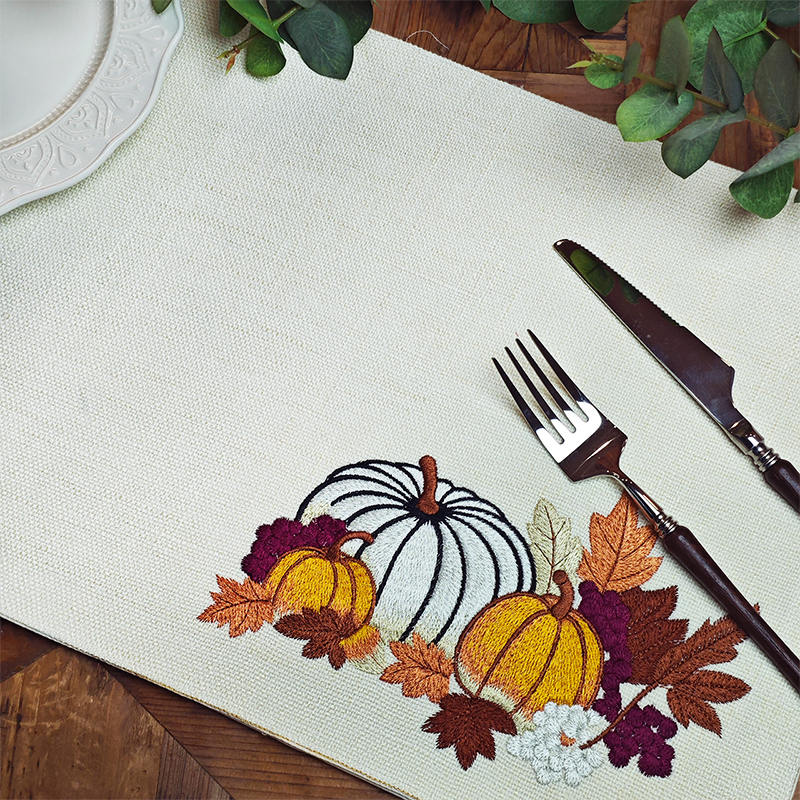
Cloth placemats provide tactile warmth and variety: woven textures, embroidery, prints and custom monograms add a layered, softer look that elevates dining presentation. They are preferred in formal settings and for intimate home dining. Vinyl and plastic offer high-print fidelity and bold colors, and are often used in casual or outdoor settings where ease of care and weather resistance matter more than texture.
Durability and Life Cycle
Durability depends on material quality and use-case. Heavy-weight polyester or blended cloths resist fraying and can last many wash cycles. Vinyl/plastic mats are durable against abrasion and stains but may crack, yellow, or become brittle over years, especially under UV exposure. Environmental conditions (sunlight, humidity) and storage practices affect longevity for both types.
Environmental and Health Considerations
Cloth placemats—especially those made from natural fibers—are generally more biodegradable and can be washed repeatedly, extending life-cycle sustainability if detergents and water use are managed. Vinyl (PVC) raises environmental concerns due to chlorine content and plasticizers; some cheaper vinyls can off-gas VOCs initially. Look for PVC-free plastics (e.g., PE, PP) or PVC with phthalate-free formulations if eco/health considerations matter. Organic cotton or linen options reduce synthetic chemical use, while recycled polyester blends provide a middle ground.
Cost and Value
Initial cost varies widely. Simple plastic placemats are cheapest per piece; high-quality vinyl or designer PVC may cost more. Cloth placemats range from budget cotton sets to premium hand-woven or embroidered pieces with a higher price point. Consider total cost of ownership: cloth requires laundering (water, energy, detergent) and may need replacing from staining or wear; plastic is nearly maintenance-free but may need replacement when it yellows or cracks.
Best Use Cases and Practical Recommendations
Match placemat material to use-case pragmatically:
- Daily family meals with children: heavy-duty vinyl/plastic or laminated cloth that cleans fast and resists spills.
- Formal dining and entertaining: quality cloth placemats for layered styling and texture.
- Outdoor dining and patio tables: vinyl or plastic (UV-stable) that tolerates weather and can be wiped clean.
- Restaurants and cafés: depends on brand—cloth for fine dining (laundry service required), vinyl/plastic for quick turnover venues.
Care Tips for Each Material
Cloth Placemats
Shake or vacuum crumbs after each use. Pre-treat stains (enzyme-based or oxygen bleach for whites) and machine wash on recommended cycles. Air-dry to preserve shape and avoid high dryer heat for delicate fibers. Iron linen/cotton if desired for a crisp look.
Vinyl and Plastic Placemats
Wipe with a damp cloth and mild detergent. Avoid abrasive scrubbers that scratch printed surfaces. For stubborn stains, use diluted isopropyl alcohol on small areas to test for colorfastness. Store flat or rolled (per manufacturer guidance) to prevent creasing or warping.
Comparison Table: Quick Reference
| Feature | Cloth Placemats | Vinyl / Plastic Placemats |
| Cleaning | Machine wash or hand wash | Wipe clean, some dishwasher-safe |
| Stain Resistance | Lower (unless treated) | High (non-porous) |
| Heat Protection | Moderate (with batting) | Varies; rigid plastics tolerate more |
| Aesthetic | High—textile variety | Good—prints and colors |
| Eco-Friendliness | Higher (natural fibers) | Lower (PVC concerns), some recyclable plastics |
| Cost | Low to high (wide range) | Generally low to mid |
Final Recommendation
There is no single “better” choice — the right placemat depends on your priorities. Choose cloth if you prioritize style, texture and sustainability and are willing to launder regularly. Choose vinyl or plastic if you need the fastest cleanup, outdoor durability, or low-maintenance service. For many households, a mixed strategy works best: keep attractive cloth placemats for entertaining and special occasions, and use durable vinyl/plastic for everyday meals and outdoor dining.
Buying Checklist
- Decide primary use: daily vs occasional vs outdoor.
- Check cleaning instructions and test for stain-resistance or printing durability.
- Consider material sustainability: organic or recycled options if environmental impact matters.
- Measure table and plate dimensions to choose appropriate placemat size and shape.
Conclusion
Cloth, vinyl, and plastic placemats each have distinct advantages. Cloth elevates table aesthetics and offers breathable, sustainable options; vinyl and plastic prioritize convenience, waterproofing and outdoor suitability. Evaluate how you live, entertain and clean to choose the best material—or use both—so your table always looks good and remains protected.
 Previous



